If a 50-person evidence team costs $6M annually and record chasing falls by 30%.
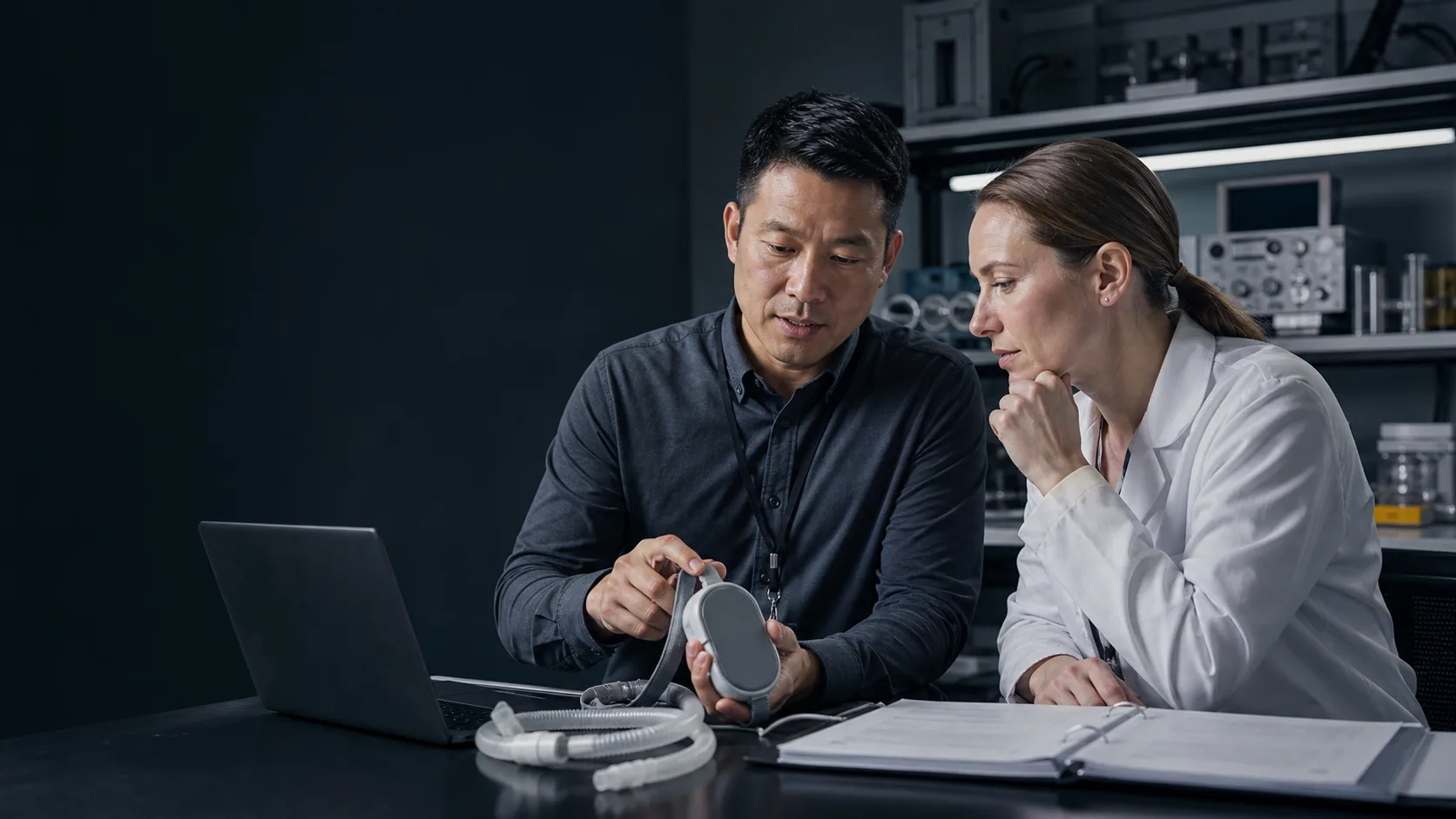
WardTrace · Device Evidence
A score can flag the claim. It cannot prove the device story.
WardTrace connects the patient, device, consent, activity, clinical review, service, and bill in one reviewable Claim Passport that another authorized expert can check again.
01 / The pay-and-chase gap
The evidence is often assembled after payment.
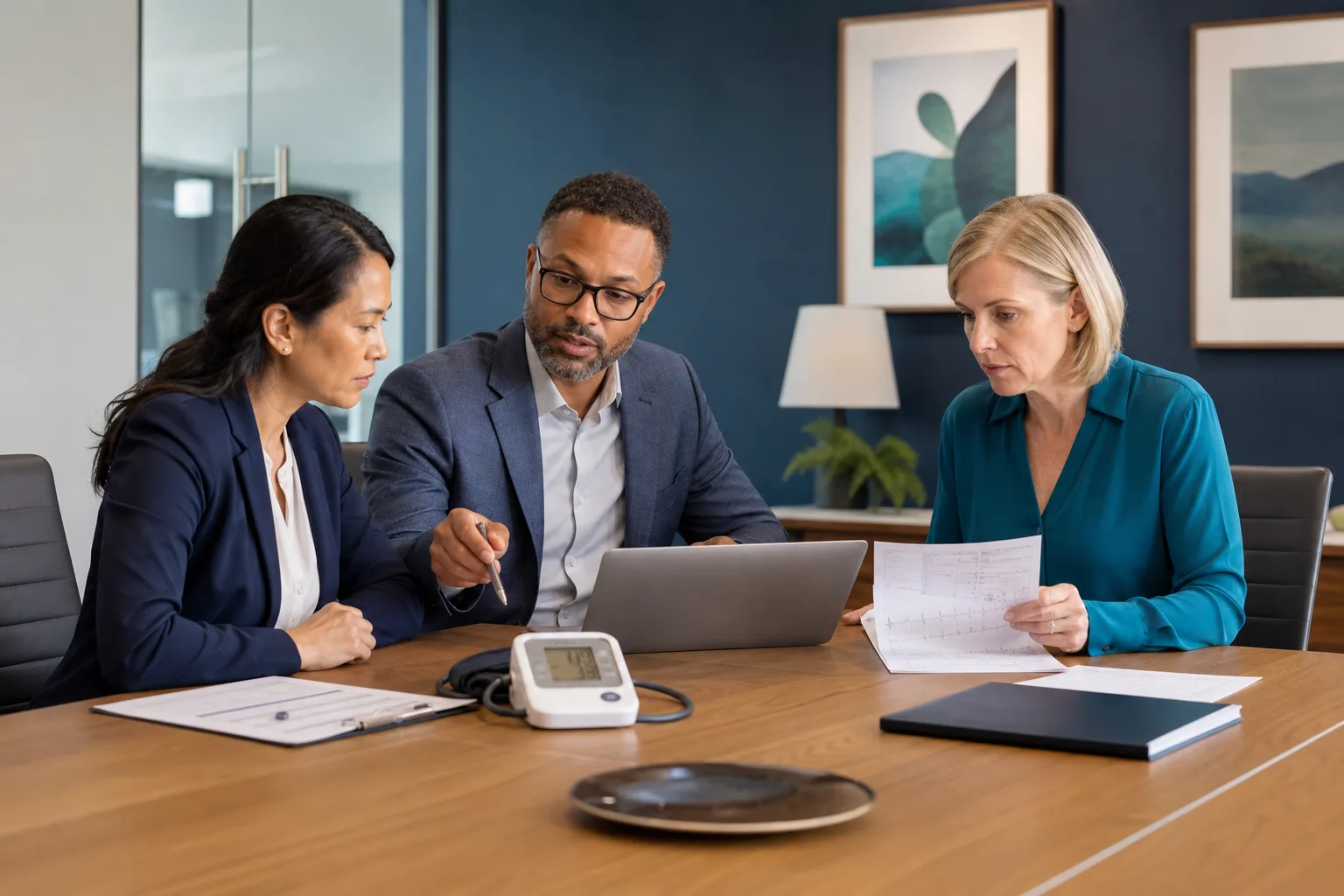
Device, clinical, consent, and billing records often live in separate systems. Reviewers chase them after a claim is questioned, then repeat the work for the next audit, appeal, or payer.
02 / The Claim Passport
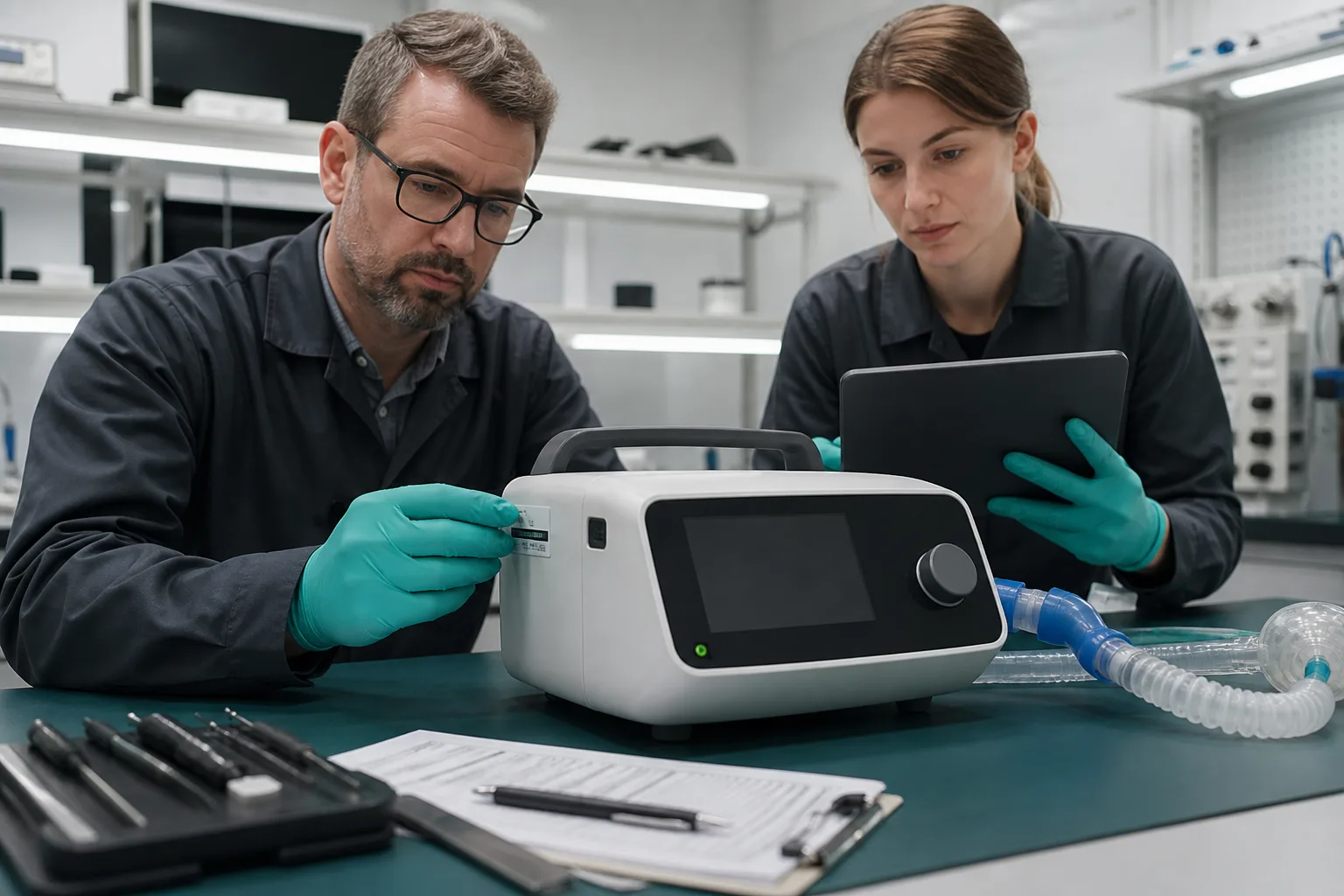
Source facts, written checks, and reviewer actions stay together.
WardTrace applies deterministic, version-controlled gates. The same supplied records and the same rule version produce the same check result.
Claim PassportRPM · Synthetic example
Person reviews01Patient + deviceVerified
02Consent + activationVerified
03Readings + clinical reviewReview
04Bill + rule receiptAttached
03 / The human boundary
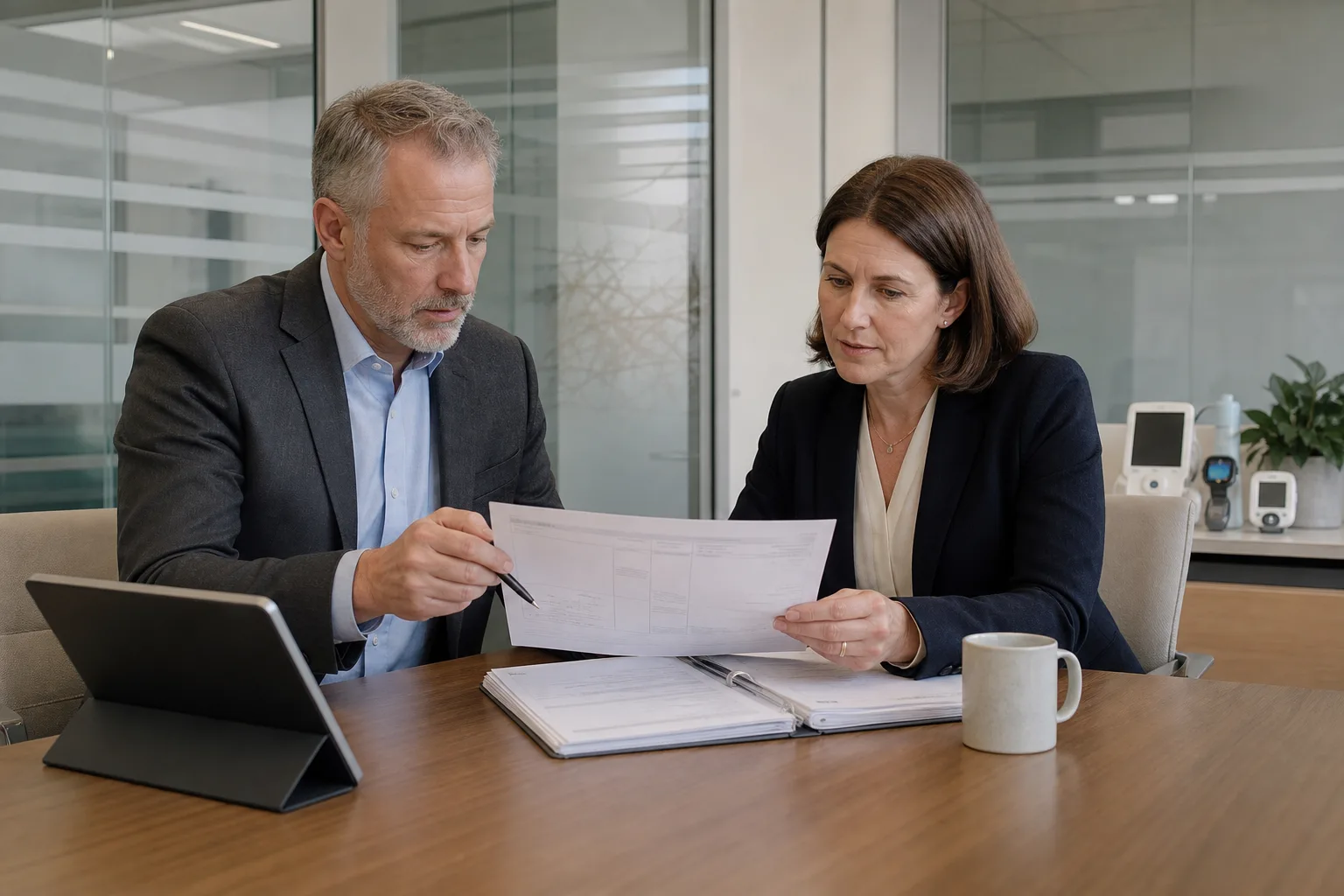
A finding starts review. It never decides the claim.
WardTrace does not determine fraud, coverage, medical necessity, denial, or liability. Qualified hospital, device-company, and payer staff make those decisions using approved policies.
See how WardTrace connects →04 / High-end device-company illustration$1.8Mstaff capacity returned $10Mclaims kept or recovered $11.8Mcombined example
Clearer evidence can reduce record chasing and protect claims value.
If insurers are expected to pay $500M and clearer proof protects or recovers 2%.
The two high-end illustrations together. Replace every assumption with company actuals.
Illustrative assumptions, not an average, forecast, or promised savings. Actual results depend on integration scope, current performance, adoption, and measured pilot outcomes.
Full visual story
Open presentation ↗Watch the Device Evidence presentation.
See the pay-and-chase problem, the written checks, the competitive landscape, the Claim Passport, the Evidence Gateway, and the connected-device opportunity.